
Deadbolt vs. Smart Lock: Which Is the Better Investment?
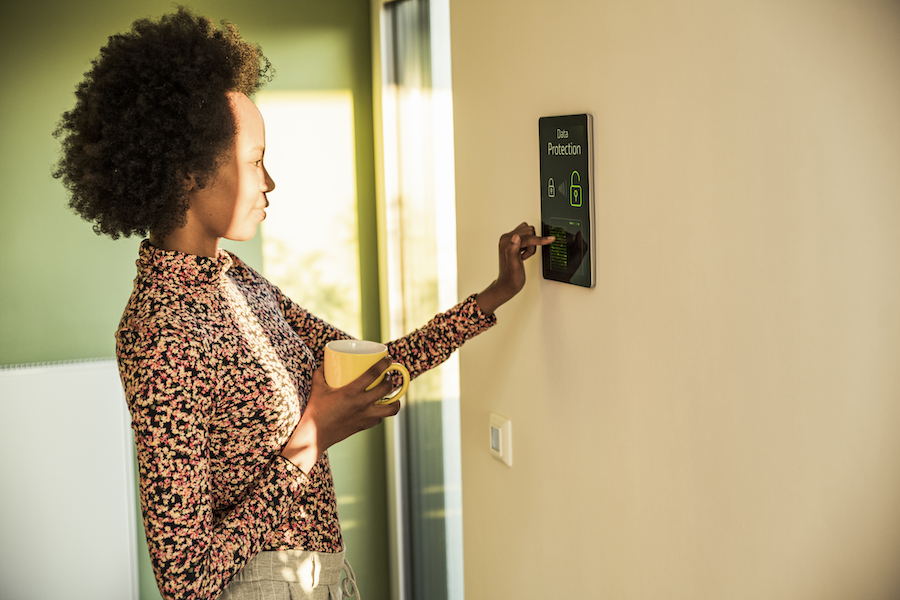
Finding the right fit for your home security and daily routine
Home security isn’t one-size-fits-all. The features that matter most often depend on how you live, who comes and goes, and what makes your daily routine easier. This idea is especially relevant when choosing a front door lock, where traditional deadbolts continue to stand alongside smart locks with connected features and keyless access.
Both solutions have earned their place in today’s homes, though each serves a different set of priorities. Taking the time to understand how they compare can help you make an investment that fits your household today while supporting your plans for the future. Keep reading to explore the differences and discover which option best complements your lifestyle.
SEE ALSO: You Own a Home & Firearms, Now What?
Traditional Deadbolts: Proven Security Through Simplicity
Traditional deadbolts have remained a trusted choice for decades because they rely on a simple mechanical design that secures the door with a solid metal bolt. Turning a physical key or thumb turn extends the bolt into the door frame, creating a dependable barrier against unauthorized entry.
Since the lock operates without batteries, wireless connectivity, or mobile apps, routine upkeep is generally limited to occasional lubrication and key replacement if needed. Their accessible price point also makes them an attractive investment for many households. At the same time, managing physical keys requires some consideration, especially if multiple family members, guests, or service professionals need access. If you appreciate familiar, uncomplicated security, a traditional deadbolt continues to provide lasting value.
Smart Locks: Convenience That Fits Modern Living
Smart locks build on traditional door security by adding features that simplify everyday access to your home. Depending on the model, you can unlock the door with a PIN code, smartphone, or fingerprints, making it easy to enter while keeping track of who comes and goes. Many systems also support remote locking and unlocking, giving you the ability to manage access even when you’re away.
Temporary or scheduled entry codes are especially useful for visiting family members, trusted neighbors, or service professionals. Smart locks can also connect with compatible home automation platforms to become part of personalized routines. Although they typically require a larger upfront investment and periodic battery replacement, they are perfect if you value connected living and greater control over daily access.
Which Investment Makes More Sense for Your Lifestyle?
Choosing between a deadbolt and a smart lock comes down to how you use your home each day. If you regularly welcome guests, manage a vacation property, or want the ability to lock and unlock your door remotely, a smart lock may provide features that fit your routine. If you appreciate a familiar mechanical design and prefer a straightforward security solution, a traditional deadbolt may be the better match.
It’s also worth considering any plans for a broader smart home system, since connected locks can become part of an integrated experience. Looking beyond the initial purchase price often reveals the greatest value over time. Both options can deliver dependable security when professionally selected and installed, making lifestyle the most important factor in your decision.
Find the Right Lock for Your Home
Every home has different security needs, so the best investment is the one that complements your daily routine and long-term goals. If you’re weighing the benefits of a traditional deadbolt against the convenience of a smart lock, professional guidance can make the decision much easier. Greely Lock & Key can help you evaluate your priorities, explain your options, and recommend a solution that fits your home and lifestyle.
Contact our team today to schedule a consultation and take the next step toward greater confidence in your home’s security.